
Search Engine Optimization vs Search Engine Marketing: Key Differences Every Business Should Know
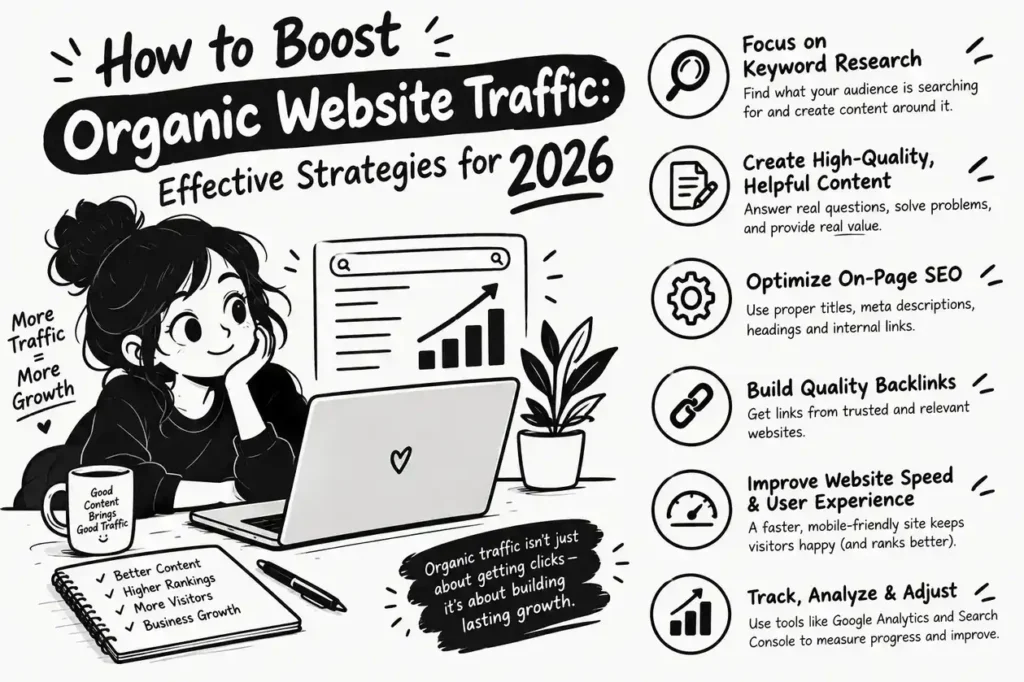
Have you ever done research for something on Google? If you have, you might know that the search results can be a mixture of general listing and ads. You might not have ever thought about how companies can leverage such a difference to market their products and/or services. This is where Search Engine Optimization (SEO) and Search Engine Marketing (SEM) play a significant role. SEO and SEM are different marketing areas, even though they both relate to search engines. SEM is concerned with paid methods, whereas SEO covers unpaid strategies in general. Let’s further explore the differences between Search Engine Optimization and Search Engine Marketing. What Is Search Engine Optimization? Search Engine Optimization, often abbreviated as SEO, is the practice of affecting how a website appears in organic search results. SEO mainly relies on creating relevant and informative content that is easily understood both by search engines and site visitors. In general, an effective SEO strategy will most likely involve keyword research, content creation, website maintenance, page structure improvements, speed optimization, on-page optimization, backlink building, and many other similar activities. For instance, if you have a digital marketing agency in Kerala, a competent SEO agency consultant can optimize your website’s content to be relevant to searches for digital marketing agency in Kerala. SEO is highly dependent on planning and usually delivers sustainable and stable results. The time it takes to see SEO success will largely depend on a number of different factors. What Is Search Engine Marketing? Search Engine Marketing, or SEM in short, is generally concerned with paid methods of marketing. In other words, businesses that employ SEM specialists pay for their services in order to get their website listed at the top of search results. Once a company has launched an SEM campaign, advertisers will see potential customers searching for relevant services or products. A common example of a company using SEM services is a web design agency that wants to increase its visibility in relation to its services. This company may launch an SEM campaign for the «web design company», so that whenever a potential customer browses for this term, they will be greeted by the ads provided by the web design agency. SEM campaigns generally start delivering results faster than their SEO counterparts. Nevertheless, a competent Search Engine Marketing agency will still work seriously in order to get the best results. The main differences between Search Engine Optimization vs Search Engine Marketing is visibility. SEO is focused on increasing organic visibility, whereas SEM mainly deals with paid visibility. Nevertheless, there are some more factors that distinguish these areas of marketing. Organic and Paid SEO is generally focused on improving the visibility of a website in organic search results. On the contrary, SEM is concerned with improving a website’s visibility in paid search results. While companies that utilize SEO services do not have to pay search engines to appear in search results, businesses that use Search Engine Marketing services have to bid for space and visibility. Time Frames & ROI While both SEO and SEM take time and effort to deliver desirable results, it normally takes longer for SEO to start showing improvement. When a company launches an SEO campaign, it has to wait for the changes to start reflecting in higher visibility in search results. This waiting period varies from one business to another, depending on the initial domain authority and reputation, website performance, incoming backlinks, content quality, and numerous other factors. On the other hand, SEM seems to have an advantage over SEO in terms of speed. An SEM campaign can launch and start delivering results in a matter of hours. While the initial investment in SEM seems to be lower than the one in SEO, companies must carefully track their ROI in order to ensure that their SEM campaigns are not ineffective. Long and Short Term SEO is generally considered an «evergreen» marketing method. SEO services are largely concerned with creating valuable and informative content that will continue to generate traffic and visibility for months and even years. In this regard, SEO seems to have advantage over SEM since Search Engine Marketing is largely dependent on advertisers’ budgets. While a well-structured and carefully developed SEM campaign might seem advantageous, its visibility is largely dependent on daily or monthly budgets. For instance, a competent Search Engine Optimization agency consultant can develop an article that will generate leads and traffic for your business for the next couple of years. An SEM campaign, on the other hand, will be only as good as your budget allows. It is important to note that both SEO and SEM have their advantages and disadvantages. Choosing between Search Engine Optimization vs Search Engine Marketing will ultimately depend on a number of factors specific to each business. Let’s take a closer look at some of the main benefits of SEO marketing for businesses. Benefits of Search Engine Optimization 1. Increased visibility through relevant and targeted traffic Creating content that targets specific customers’ interests and needs increases the likelihood that these people will visit your website and/or become your customers. 2. Builds online reputation or authority By publishing informative and relevant articles, your business gains more exposure and credibility as an expert in the area of your services. 3. Long term Creating informative articles, blog posts, and other types of content is an investment in your business’s future. These valuable resources will continue to generate traffic and visibility for your website for months and even years after they were created. 4. Improves the overall website SEO marketing is not limited to creating content. Search Engine Optimization specialists utilize a variety of different techniques that improve the look and feel of a website, as well as its performance and technical aspects. Benefits of Search Engine Marketing 1. Quick visibility Launching an SEM campaign is a great way to increase your visibility as a business almost immediately.It normally takes a lot of time and effort to improve a website’s visibility through SEO, whereas SEM